



In the enchanting world of ballet, where grace and precision intertwine, the significance of proper posture cannot be overstated. It serves as the foundation upon which a dancer builds their technique, artistry, and overall performance. For aspiring ballerinas and seasoned dancers alike, understanding the intricacies of ballet posture is essential. It enhances not only the aesthetic quality of movements but also contributes to strength and resilience. In this exploration, we’ll delve into how proper posture enhances classical ballet performance, revealing its profound impact on every aspect of a dancer’s journey.
Understanding Ballet Posture
To appreciate the role of posture in ballet, we must first define what constitutes ballet posture. At its essence, ballet posture is characterized by alignment, balance, and body awareness. It encompasses how a dancer holds their body in relation to gravity and space, creating a sense of elegance and control.
Definition and Key Elements
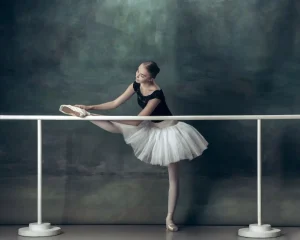
Ballet posture involves several key elements. The head should be held high, the shoulders relaxed yet engaged, and the spine elongated. The pelvis should be in a neutral position, allowing for proper alignment of the legs and feet. When one achieves this alignment, it fosters a sense of balance that is crucial for executing movements with precision. Each position in ballet, from pliés to pirouettes, relies heavily on the dancer’s ability to maintain this alignment, making it a fundamental aspect of training.
The Role of Core Strength
Central to achieving and maintaining proper posture is core strength. The core muscles provide stability and control, enabling dancers to hold their positions effortlessly. Without a strong core, maintaining the ideal alignment becomes challenging, leading to compromised technique and increased risk of injury.
To develop core strength, dancers can incorporate exercises such as planks, bridges, and various Pilates routines into their training regimen. These exercises not only enhance core stability but also improve overall body awareness, enabling dancers to recognize when they are out of alignment and make necessary adjustments.
The Benefits of Proper Posture in Ballet
The advantages of maintaining proper posture in ballet extend far beyond aesthetics. It significantly enhances performance quality and plays a vital role in injury prevention.
Enhanced Performance Quality
Good posture directly affects the quality of a dancer’s performance. When a dancer stands tall with aligned posture, their lines become cleaner and more visually appealing. Movements appear more fluid and graceful, captivating the audience and drawing them into the performance. The aesthetic beauty of ballet is largely derived from the dancer’s ability to create beautiful shapes with their body, and proper posture is essential for achieving that.
Moreover, maintaining proper posture allows dancers to execute movements with greater ease and confidence. For instance, when a dancer prepares for a grand jeté, the alignment of their body ensures that they can take off and land with precision. This mastery of movement not only elevates their performance but also instills a sense of pride and accomplishment.
Injury Prevention
In the demanding discipline of ballet, injury prevention is paramount. Proper posture serves as a protective mechanism against common injuries. When a dancer’s body is aligned correctly, the strain on muscles and joints is minimized, reducing the risk of overuse injuries like tendonitis or stress fractures.
Many injuries in ballet stem from poor alignment and muscle imbalances. For example, if a dancer consistently holds their shoulders hunched, it can lead to tension in the neck and upper back, resulting in chronic pain or injury over time. By consciously maintaining proper posture, dancers can mitigate these risks and ensure a longer, healthier dance career.
Techniques for Achieving Ideal Ballet Posture
Achieving and maintaining ideal ballet posture requires dedication and practice. There are several techniques that dancers can utilize to enhance their posture and overall performance.
Alignment Tips
Proper alignment is crucial for achieving ballet posture. Dancers should regularly check their alignment during practice. One effective method is to stand against a wall with their heels, buttocks, and head touching the wall. This simple exercise helps to reinforce the feeling of being aligned.
Additionally, when practicing in the mirror, dancers should take the time to assess their posture critically. Are their shoulders relaxed? Is their core engaged? Are their hips aligned with their knees and toes? Regular self-assessment can help dancers develop a keen awareness of their body, making it easier to maintain proper posture during performance.
Stretching and Flexibility
Flexibility plays a significant role in achieving proper posture. Tight muscles can hinder a dancer’s ability to maintain alignment, making it essential to incorporate stretching into their training routine.
Dancers should focus on stretching key muscle groups, including the hip flexors, hamstrings, and back. Dynamic stretches before class can warm up the muscles, while static stretches post-class can enhance flexibility. Techniques such as yoga or specific ballet stretches can greatly improve posture and overall performance quality.
Posture in Different Ballet Positions
Ballet is defined by its five basic positions, and each position requires a unique approach to maintaining posture.
First Position to Fifth Position
Each of the five positions in ballet requires careful attention to posture. In first position, the heels are together, and the toes point outward. This position lays the foundation for many movements, and maintaining a straight spine while keeping the legs engaged is crucial.
As dancers progress through the positions, the need for strong posture becomes even more pronounced. In second position, the legs are turned out to the sides, and the torso must remain upright and aligned to support the movement. Similarly, in third, fourth, and fifth positions, maintaining an open chest and engaged core is essential for executing movements with precision.
Adagio vs. Allegro
Posture also varies between adagio and allegro movements. Adagio focuses on slow, controlled movements, where maintaining posture is essential for balance and grace. Dancers must embody a sense of fluidity and strength, ensuring that their bodies remain aligned as they transition through positions.
In contrast, allegro movements require quick, powerful actions. Here, posture plays a crucial role in executing jumps and turns. Dancers must be aware of their center of gravity and maintain alignment to achieve successful landings and transitions. The ability to switch between these tempos while maintaining proper posture showcases a dancer’s versatility and skill.
The Psychological Aspect of Posture
The connection between mental state and physical posture is profound. Dancers often find that their confidence and self-esteem are reflected in their posture. A strong, upright posture can enhance feelings of empowerment, while slouched shoulders might convey insecurity.
Visualization techniques can be incredibly effective in improving posture. Dancers can envision themselves standing tall and confident, allowing this mental imagery to translate into physical practice. This psychological approach not only enhances posture but also boosts overall performance quality.
Practical Exercises to Improve Ballet Posture
Improving ballet posture involves consistent practice and specific exercises tailored to strengthen the body and enhance awareness.
Daily Drills
Incorporating daily drills into a dancer’s routine is vital for reinforcing good posture. Exercises like wall sits, planks, and core activations can be performed at home to build strength and awareness. These simple routines, when practiced regularly, can significantly impact a dancer’s posture in class and performance.
Additionally, practicing barre exercises with a focus on alignment can help reinforce proper posture. Dancers should concentrate on maintaining straight lines and engaging their muscles throughout each movement.
The Role of Feedback
Receiving constructive feedback from instructors is invaluable for improving posture. Dancers should actively seek feedback during classes and rehearsals. Instructors can provide insights on alignment and posture that the dancer may not be aware of, helping them make necessary adjustments.
Self-assessment is also crucial. After each class or rehearsal, dancers should take a moment to reflect on their posture. What felt right? What felt off? This practice encourages a continuous dialogue between the dancer and their body, leading to improved awareness and technique.
Conclusion
In the intricate art of ballet, proper posture is the cornerstone of excellence. It enhances performance quality, reduces the risk of injury, and fosters a deeper connection between the dancer and their art. By understanding the elements of ballet posture, employing techniques to achieve alignment, and incorporating exercises to strengthen the body, dancers can unlock their full potential. Embracing the journey of mastering posture is not just about improving technique; it is about celebrating the beauty and grace that define ballet. With dedication and practice, every dancer can elevate their performance to new heights, embodying the elegance and artistry that ballet represents.
FAQs
What are the key elements of proper ballet posture?
Proper ballet posture includes an elongated spine, relaxed yet engaged shoulders, and a neutral pelvis. It is essential for achieving balance and grace in movements.
How can I improve my core strength for ballet?
Incorporating exercises such as planks, bridges, and Pilates into your routine can significantly enhance core strength, which is crucial for maintaining proper posture in ballet.
Why is flexibility important for ballet posture?
Flexibility allows dancers to achieve and maintain alignment, reducing the risk of injury and improving overall performance quality.
How can I assess my posture while dancing?
Use mirrors during practice to critically assess your alignment, and consider seeking feedback from instructors to identify areas for improvement.
What role does mental state play in ballet posture?
A dancer’s confidence and self-esteem are often reflected in their posture. Positive visualization techniques can enhance posture and overall performance quality.