
The conversation around abstract vs representational art has changed a lot over time. Earlier, it was mostly about skill and how accurately an artist could capture reality. Now, it is more about intention and expression. Artists today are not just showing what they see. They are trying to express what they feel, think, or question. This shift has made abstraction more appealing in many cases. It allows artists to move beyond visible reality and explore deeper ideas. For experienced viewers, this change is not confusing but exciting because it opens new ways to connect with art.
The evolution of artistic priorities in modern practice
From accuracy to interpretation
In the past, artists focused heavily on accuracy. Painting something exactly as it looked was considered a high-level skill. Over time, this idea started to change. Artists began to realize that copying reality was not the only way to create meaning. In abstract vs representational art, this shift shows how modern creators value interpretation more than precision. They want to show how something feels rather than how it looks. This approach allows more room for creativity and personal voice.
Influence of postmodern thought
Modern art has also been shaped by ideas that question traditional rules. Postmodern thinking encourages artists to challenge fixed meanings and explore different perspectives. In abstract vs representational art, this influence can be clearly seen. Artists no longer feel tied to one way of working. They experiment more and create work that invites questions instead of giving clear answers. This freedom has made abstraction a strong choice for many.
Creative freedom as a strategic advantage
Breaking constraints of realism
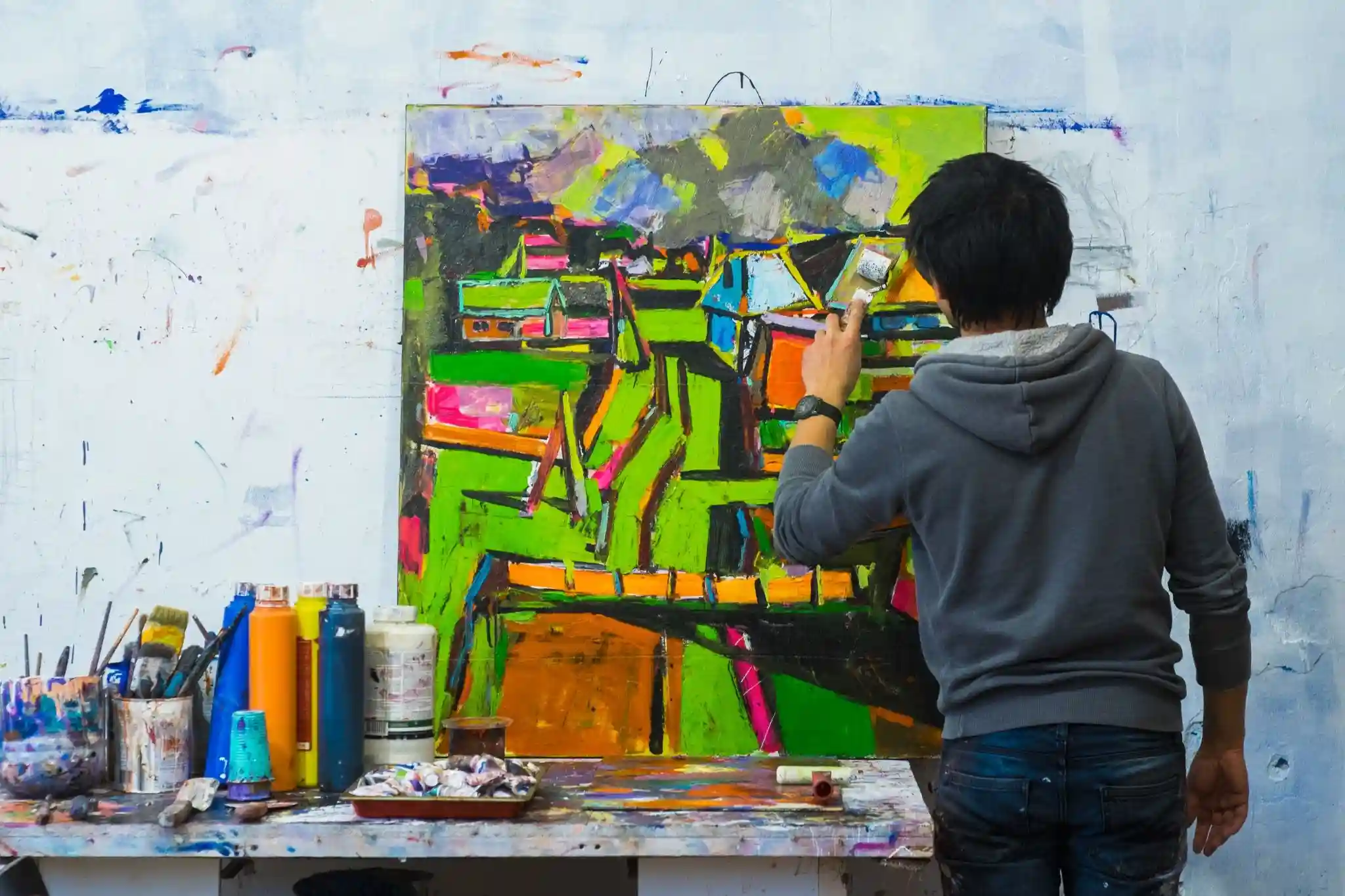
Representational art often comes with certain expectations. The artist needs to follow proportions, perspective, and recognizable forms. This can feel limiting for someone who wants to experiment. Abstract work removes these boundaries. In abstract vs representational art, abstraction gives artists the freedom to break rules and try new approaches. They can focus on shapes, colors, and textures without worrying about making something look real.
Expanding expressive possibilities
With fewer restrictions, artists can explore ideas that are difficult to express through realistic images. Emotions like confusion, tension, or inner conflict are not always easy to show in a literal way. Abstract art makes this possible. In abstract vs representational art, this wider range of expression is one of the biggest reasons artists choose abstraction. It allows them to communicate in a more open and flexible way.
Audience interpretation and engagement dynamics
Viewer participation in meaning
One of the unique aspects of abstract art is how it involves the viewer. Instead of presenting a clear image, it invites people to interpret it in their own way. This creates a more personal experience. In abstract vs representational art, abstraction shifts part of the meaning-making process to the audience. Each viewer may see something different, and that adds depth to the artwork.
Emotion over visual recognition
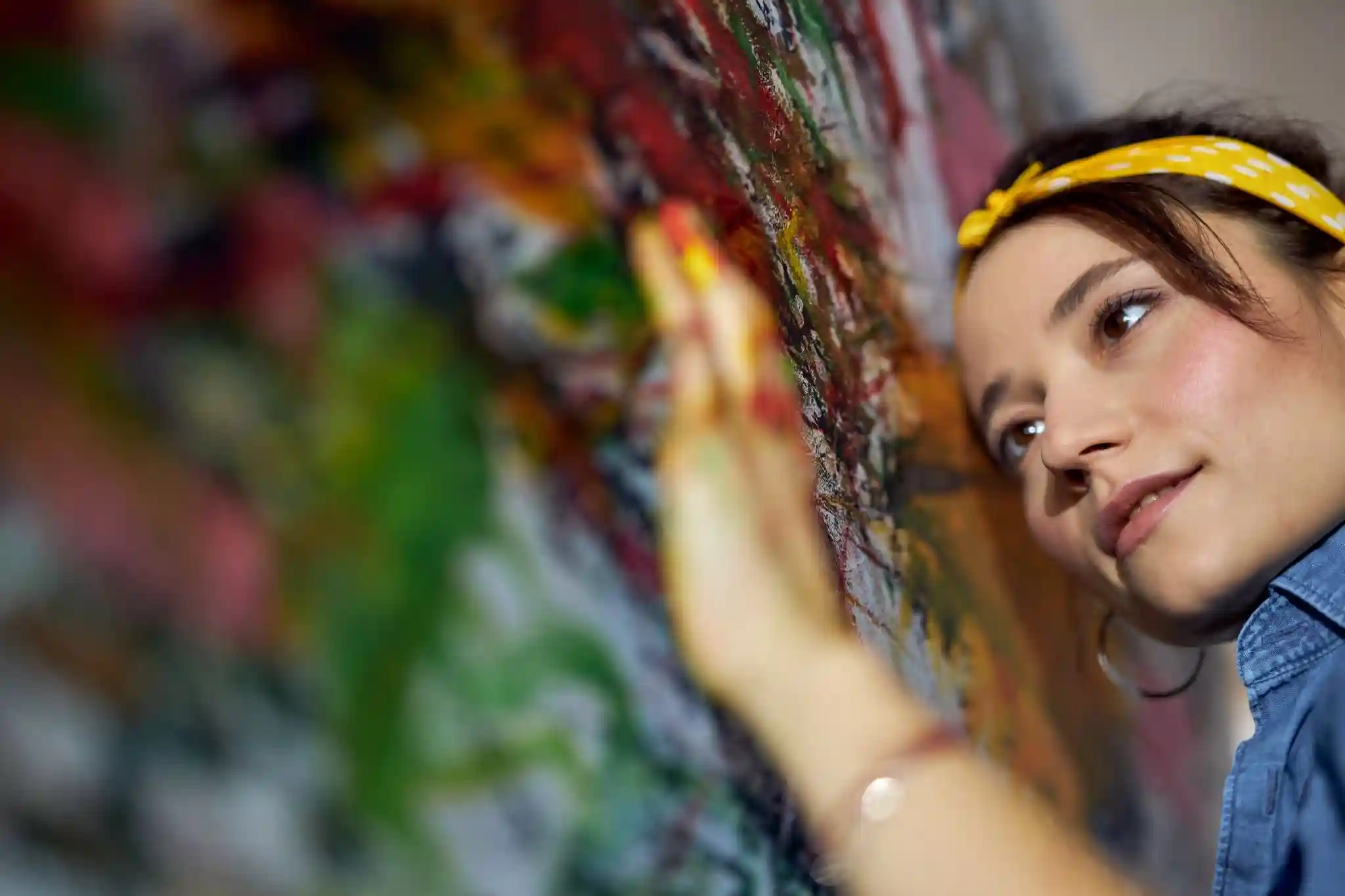
Representational art often relies on recognition. The viewer understands what they are seeing almost instantly. Abstract art works differently. It focuses more on feeling than recognition. Artists who choose abstraction often want to create an emotional response instead of a clear visual message. This approach makes the experience more engaging and sometimes more memorable.
Market positioning and contemporary art trends
Demand in galleries and collectors
The art market has its own trends, and abstraction has gained strong attention in recent years. Many galleries and collectors are drawn to abstract work because it feels fresh and open to interpretation. In abstract vs representational art, abstraction often fits better with contemporary tastes. It allows collectors to connect with the artwork on a personal level without being tied to a specific subject.
Branding and artist identity
Artists also think about how their work represents them. Abstract art allows for a unique visual identity that stands out. In abstract vs representational art, abstraction often helps artists create a signature style that people can recognize easily. This is important for building a career in the art world, where individuality matters.
Psychological and conceptual depth in abstraction
Representing the unseen
Abstract art gives artists a way to explore ideas that cannot be seen directly. Thoughts, emotions, and inner experiences are all difficult to represent realistically. In abstract vs representational art, abstraction becomes a tool for expressing these unseen elements. This makes the artwork feel more personal and layered.
Complexity and layered meaning
Many abstract works carry multiple meanings at the same time. A single piece can be interpreted in different ways depending on the viewer. This complexity adds depth and keeps people engaged for longer. In abstract vs representational art, this layered meaning is one of the reasons abstraction continues to grow in importance.
Influence of technology and digital tools
New media and experimentation
Technology has changed how art is created. Digital tools allow artists to experiment with forms and textures in ways that were not possible before. This has expanded the possibilities of abstract art. In abstract vs representational art, technology has made abstraction more dynamic and accessible.
Shift in visual culture
People today are used to seeing edited and stylized visuals everywhere. Social media and digital platforms have changed how we view images. Abstract art fits well into this environment because it already plays with distortion and variation. This cultural shift has made abstraction more relatable to modern audiences.
Cultural and social influences on artistic choices
Reflecting modern complexity
Modern life is complex, and many artists want their work to reflect that reality. A simple representation may not always capture the depth of current experiences. In abstract vs representational art, abstraction allows artists to show complexity through form and color rather than direct imagery.
Moving beyond traditional narratives
Traditional art often follows clear stories or themes. Abstract art breaks away from this pattern. It allows artists to create without a fixed narrative. This freedom encourages new ways of thinking and storytelling. It also makes the artwork more open to interpretation.
Risk, originality, and artistic credibility
Balancing experimentation and recognition
Choosing abstraction comes with risk because not everyone will understand it immediately. However, it also offers greater potential for originality. In abstract vs representational art, artists who take this risk often stand out more. Their work feels fresh and different.
Establishing artistic authority
Artists who succeed in abstraction often gain respect for their conceptual thinking. Their work is seen as thoughtful and intentional. This builds credibility in the art world and helps them grow professionally.
Longevity and relevance in modern art
Timeless interpretation
Abstract art is not tied to a specific time or place. Because of this, it can remain relevant for longer periods. In abstract vs representational art, abstraction often ages better because its meaning can change over time.
Sustaining long-term engagement
Viewers may return to an abstract piece many times and see something new each time. This keeps the artwork interesting and engaging. It creates a lasting connection between the viewer and the piece.
Conclusion
The choice between abstract vs representational art is no longer just about style. It reflects deeper intentions, cultural changes, and personal expression. Abstract art offers freedom, emotional depth, and long-term relevance. It allows artists to explore ideas that go beyond what is visible. As the art world continues to evolve, abstraction remains a strong and meaningful choice for those who want to push boundaries and connect with audiences in new ways.
FAQs
1. Why do artists prefer abstract vs representational art today?
Artists often prefer abstraction because it allows more creative freedom and deeper expression. It helps them explore emotions and ideas that are difficult to show through realistic imagery alone.
2. Is abstract art harder than representational art?
Both styles require skill, but in different ways. Abstract art focuses more on concept and emotion, while representational art relies on technical accuracy and visual precision in depicting real subjects.
3. How does abstract vs representational art affect viewers?
Abstract art encourages personal interpretation and emotional response, while representational art provides clear recognition. This difference changes how viewers connect with and understand each type of artwork.
4. Why is abstract art popular in modern galleries?
Abstract art is popular because it aligns with current trends and allows collectors to interpret meaning personally. It also offers a unique visual identity that stands out in contemporary spaces.
5. Can artists combine abstract and representational styles?
Yes, many artists blend both styles to create unique work. This approach allows them to balance recognizable forms with expressive elements, offering both clarity and emotional depth in one piece.