
Modern art has continually evolved, reflecting the changes in society, technology, and culture. From the late 19th century to the present, it has taken on many forms, each with its unique characteristics and philosophies. As we explore influential modern art styles today, we must recognize how each movement has shaped the visual arts landscape.
Art has always been a mirror of the times, capturing the essence of human experience. In a rapidly changing world, modern art styles have emerged to provoke thought, evoke emotion, and spark conversations about life, identity, and society. Understanding these influential modern art styles can deepen our appreciation of the visual arts and their role in shaping contemporary culture.
Abstract Expressionism: Emotions on Canvas
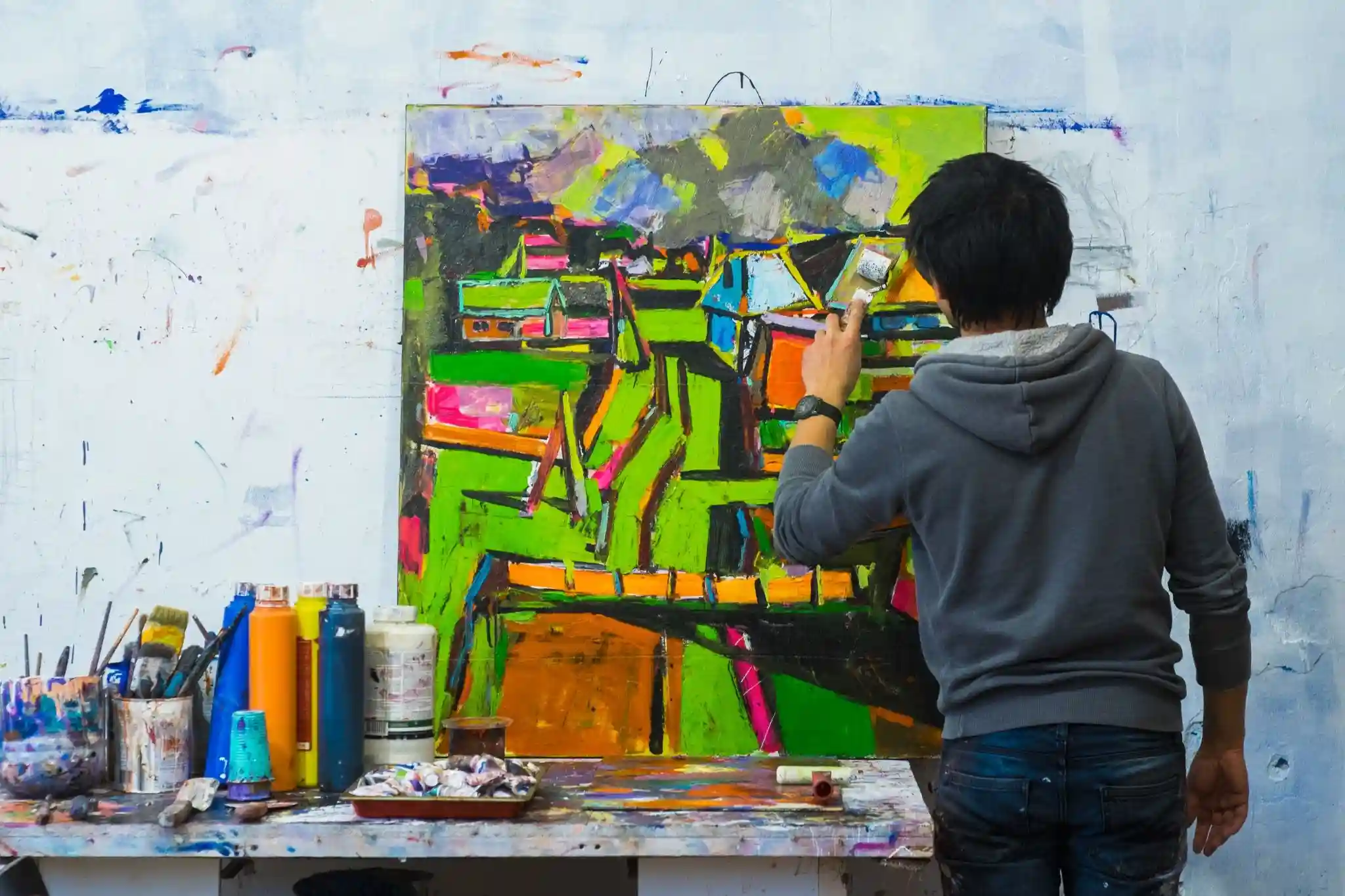
Abstract Expressionism emerged in the mid-20th century, focusing on spontaneous, automatic, or subconscious creation. This style emphasizes the act of painting itself, allowing artists to express their emotions and inner thoughts through bold colors, dynamic forms, and energetic brushwork.
Key Artists and Their Contributions
Prominent figures in Abstract Expressionism include Jackson Pollock, Mark Rothko, and Willem de Kooning. Pollock is renowned for his drip paintings, where he allowed paint to fall freely onto the canvas, creating a chaotic yet harmonious image. Rothko’s color field paintings evoke deep emotional responses through the interplay of colors, while de Kooning’s works often feature distorted figures and aggressive brushstrokes.
These artists broke away from traditional artistic conventions, paving the way for future generations to explore their emotions and experiences through abstract forms. Their influence is evident in contemporary art, where the emphasis on personal expression continues to resonate.
The Impact on Contemporary Art
Today, Abstract Expressionism has left a lasting legacy in the art world. Many contemporary artists draw inspiration from its emphasis on emotional expression and the process of creation. The movement has also fostered a greater acceptance of diverse artistic styles, encouraging artists to experiment and push boundaries.
Minimalism: The Beauty of Simplicity
Minimalism emerged in the late 1950s as a reaction against the emotional intensity of Abstract Expressionism. Characterized by simplicity, clarity, and the use of basic geometric forms, Minimalism seeks to reduce art to its essential elements.
Defining Characteristics
Minimalist art often features monochromatic color schemes, simple shapes, and a focus on materials. This approach emphasizes the artwork’s physical properties and encourages viewers to engage with the piece in a more direct and contemplative manner.
Notable Minimalist Artists
Artists such as Donald Judd, Agnes Martin, and Dan Flavin are key figures in the Minimalist movement. Judd’s geometric sculptures and installations challenge traditional notions of space and form, while Martin’s serene paintings evoke a sense of tranquility through subtle variations in color and line. Flavin, known for his fluorescent light installations, explores the relationship between light, space, and perception.
Minimalism has profoundly influenced contemporary art, inspiring artists to seek beauty in simplicity and clarity. Its principles can be seen in various artistic practices, from architecture to design.
Pop Art: Blurring the Lines of High and Low Culture
Pop Art emerged in the 1950s and 1960s, drawing inspiration from popular culture, advertising, and mass media. This movement challenged the traditional distinctions between high and low culture, elevating everyday objects and images to the status of fine art.
Iconic Figures of Pop Art
Andy Warhol, Roy Lichtenstein, and Claes Oldenburg are among the most iconic figures in Pop Art. Warhol’s silkscreen prints of celebrities and consumer products, such as the famous Campbell’s Soup cans, highlight the intersection of art and commerce. Lichtenstein’s comic book-style paintings critique the commercialization of art while celebrating its aesthetic appeal. Oldenburg’s soft sculptures of everyday objects challenge perceptions of scale and materiality.
Pop Art’s Influence on Today’s Society
Pop Art has left an indelible mark on contemporary culture, influencing fashion, advertising, and graphic design. Its playful approach to serious themes resonates with modern audiences, making art accessible and relatable. Today, many artists continue to draw from Pop Art’s visual language, using it to comment on consumerism and the media’s impact on our lives.
Street Art: The Voice of the People
Street art has emerged as a powerful form of expression in urban environments. Often created in public spaces, it challenges societal norms and gives voice to marginalized communities.
The Rise of Street Art in Urban Spaces
Street art began as graffiti in the 1980s, but it has evolved into a diverse and respected art form. Artists like Banksy, Shepard Fairey, and Keith Haring have gained international recognition for their work, which often addresses social and political issues.
Prominent Street Artists and Their Messages
Banksy’s satirical pieces critique consumerism, war, and political corruption, often sparking discussions on social justice. Shepard Fairey’s iconic “Hope” poster, created during Barack Obama’s 2008 presidential campaign, symbolizes the power of art in political movements. Haring’s vibrant murals advocate for LGBTQ+ rights and AIDS awareness, highlighting the potential of street art to foster community and inspire change.
Street art has transformed urban landscapes into canvases for dialogue and reflection. Its accessibility allows for immediate engagement with the public, making art a tool for activism and social commentary.
Digital Art: The New Frontier
As technology advances, digital art has emerged as a significant force in the contemporary art world. This modern art style encompasses a wide range of practices, from digital painting to interactive installations.
The Role of Technology in Modern Art
Digital art challenges traditional notions of creativity and authorship. Artists use software and digital tools to create immersive experiences that engage viewers in new ways. This evolution has expanded the definition of art, allowing for innovative approaches to storytelling and expression.
Noteworthy Digital Artists
Artists such as Rafael Lozano-Hemmer, Jenny Holzer, and Casey Reas have pushed the boundaries of digital art. Lozano-Hemmer’s interactive installations invite viewers to participate in the creative process, while Holzer’s text-based works provoke thought and reflection on societal issues. Reas, co-founder of Processing, explores the intersection of art and code, creating generative artworks that challenge traditional artistic boundaries.
Digital art continues to redefine the art world, offering new possibilities for creativity and engagement. Its influence is felt across various disciplines, from design to entertainment.
The Intersection of Art and Activism
Modern art styles often intersect with activism, addressing pressing social issues and promoting change. Artists use their work to raise awareness and inspire action, creating a powerful dialogue between art and society.
How Modern Art Addresses Social Issues
Many contemporary artists leverage their platforms to tackle issues such as climate change, inequality, and human rights. Through their work, they encourage viewers to confront uncomfortable truths and consider their role in creating a better world.
Examples of Art with a Purpose
Kara Walker’s silhouette installations explore themes of race, identity, and history, provoking conversations about the legacy of slavery in America. Ai Weiwei’s politically charged works challenge authoritarianism and advocate for human rights, highlighting the potential of art to effect change. These artists exemplify how modern art can serve as a catalyst for social progress, encouraging empathy and understanding.
Conclusion: The Future of Influential Modern Art Styles
The landscape of modern art is ever-evolving, reflecting the complexities of contemporary society. Influential modern art styles such as Abstract Expressionism, Minimalism, Pop Art, Street Art, and Digital Art continue to shape the visual arts landscape. As artists push boundaries and explore new mediums, they invite us to engage with the world in fresh and meaningful ways.
Art has the power to inspire, provoke, and unite. By understanding and appreciating influential modern art styles, we can deepen our connection to the creative expressions that shape our culture and society.