



Ballet is more than just a dance form; it’s a blend of art and athleticism. For anyone involved in ballet, flexibility and strength are essential. These two qualities help dancers express their artistry and perform complex movements with grace. Classical ballet techniques are valuable tools that can help improve both flexibility and strength, making them crucial for dancers at any level. In this post, we will explore some of these techniques and how they can benefit your ballet journey.
The Role of Flexibility in Ballet
Flexibility is a big deal in ballet. It allows dancers to achieve those stunning lines and poses that we often see on stage. When dancers are flexible, they can move more freely and execute challenging choreography with ease. This not only enhances performance but also helps prevent injuries. Imagine trying to do a perfect split or an impressive arabesque without adequate flexibility; it’s pretty tough and could lead to strains.
Many dancers struggle with flexibility, especially in their hips, hamstrings, and back. Regular practice of specific classical ballet techniques can make a real difference. The good news is that improving flexibility doesn’t happen overnight. It takes time, patience, and consistent effort. But with the right exercises, you can see significant improvements.
Key Classical Ballet Techniques for Flexibility
Barre Exercises
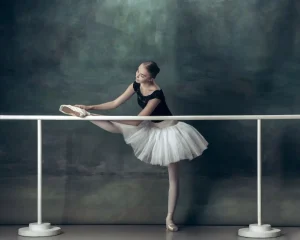
Barre exercises are foundational in ballet training. They help build strength, improve balance, and enhance flexibility. When you work at the barre, you can focus on your form, which is crucial for developing flexibility. Exercises like tendus and dégagés warm up the muscles and increase the range of motion.
Incorporating stretches into your barre routine is a great way to boost flexibility. For example, after performing a series of tendus, take a moment to stretch your hamstrings and calves. This combination of movement and stretching is effective in enhancing flexibility over time.
Arabesque Positions
Arabesques are not only beautiful but also serve as an excellent way to develop flexibility. Holding an arabesque position requires a combination of strength and flexibility. As you practice this position, focus on extending your back leg and keeping your hips aligned.
Working on your arabesque can significantly improve your flexibility, especially in your back and legs. To deepen the stretch, try holding the position while gently leaning forward. This will help you lengthen the muscles and enhance your overall flexibility.
Grand Plié
The grand plié is a classic movement in ballet that plays a vital role in improving flexibility. It involves bending your knees while keeping your heels on the floor, which stretches your calves and thighs. Proper execution of a grand plié is key to gaining the maximum benefits.
When performing a grand plié, focus on your alignment and depth. Try to sink as low as possible while maintaining your balance. The more you practice, the more flexible you will become, making this technique an essential part of your training routine.
The Importance of Strength in Ballet
Strength is just as important as flexibility in ballet. Strong muscles support the body during movements, allowing for better control and stability. When dancers have adequate strength, they can perform jumps and turns more effectively. It also helps in maintaining proper posture, which is crucial for any dancer.
Many dancers face challenges with strength, particularly in their legs and core. Weaknesses in these areas can lead to poor performance and even injuries. Therefore, it’s essential to incorporate strength-building techniques into your ballet training.
Classical Ballet Techniques for Building Strength
Center Work
Center work is where the magic happens. This part of ballet training focuses on movements performed in the center of the studio, without the support of the barre. It’s a fantastic way to build strength, especially in your legs and core.
During center work, focus on your balance and control. Movements like pirouettes and adagio exercises require strong muscles to maintain stability. The more you practice these techniques, the stronger your body will become, which will enhance your overall performance.
Jumping Exercises
Jumping is a fun way to build strength and is crucial for ballet. Movements like sautés and jetés help develop the muscles in your legs and improve your coordination. When you jump, you engage various muscle groups, promoting overall strength.
To maximize the benefits of jumping exercises, pay attention to your technique. Focus on your landing to avoid injuries and make sure to engage your core. This will not only help you become stronger but also improve your jumping ability over time.
Focusing on Core Strength
Your core is the foundation of everything you do in ballet. A strong core supports your movements and helps maintain balance. Many classical ballet techniques require a solid core, so make it a priority in your training.
Incorporate exercises that target your core, such as planks and leg lifts. These can be done outside of ballet class and will complement your training. The stronger your core, the better your overall performance will be.
Combining Flexibility and Strength Training
Flexibility and strength go hand in hand in ballet. While flexibility allows for beautiful lines and poses, strength supports those movements. To be a well-rounded dancer, you need to focus on both aspects in your training.
Consider creating a balanced routine that includes exercises for flexibility and strength. For instance, start with flexibility exercises at the barre, then transition to center work for strength. This combination will help you develop into a more capable dancer.
Conclusion
Classical ballet techniques offer invaluable tools for improving flexibility and strength. By incorporating exercises like barre work, arabesques, and grand pliés into your routine, you can enhance your skills significantly. Remember that progress takes time, so be patient with yourself as you develop these qualities.
Ballet is a beautiful journey, and focusing on flexibility and strength will only make it more rewarding. Embrace the techniques that resonate with you and enjoy the growth that comes with practice. With dedication and the right approach, you’ll see improvements in your performance and overall dance ability.
FAQs
1. What are classical ballet techniques?
Classical ballet techniques refer to the foundational movements and exercises used in ballet training. They include barre work, center exercises, and various positions that help improve flexibility, strength, and overall performance for dancers at all levels.
2. How do classical ballet techniques improve flexibility?
Classical ballet techniques improve flexibility through specific movements and stretches. Exercises like grand pliés and arabesques encourage muscle elongation, while barre work helps warm up the body, making it easier to achieve greater flexibility over time.
3. Why is strength important in ballet?
Strength is crucial in ballet because it supports the dancer’s movements. Strong muscles allow for better control, stability, and posture, which enhances performance quality and helps prevent injuries during complex dance routines.
4. Can flexibility and strength be developed simultaneously?
Yes, flexibility and strength can be developed simultaneously. A balanced training routine that incorporates both flexibility exercises and strength-building techniques will help dancers improve their overall performance and capabilities effectively.
5. What are some recommended exercises for core strength in ballet?
Exercises like planks, leg lifts, and sit-ups are great for developing core strength in ballet. Incorporating these exercises outside of dance classes can enhance stability and support for various ballet movements and improve overall performance.